Best Wellness Upgrades for People Who Want to Get Healthier Without Overhauling Their Entire Life
Best Wellness Upgrades for People Who Want to Get Healthier Without Overhauling Their Entire Life
Let's be honest: most wellness advice assumes you have two hours a day, a personal chef, and the willpower of a monk. You don't. Neither do I. But that doesn't mean you can't meaningfully improve how you feel, move, and recover — it just means you need gear that fits into your actual life, not some aspirational version of it.
These are the wellness products I'd actually recommend to a friend who wants to feel better without quitting their job, cancelling their social life, or spending $500 on a juice cleanse. No gimmicks. No extreme commitments. Just things that work.
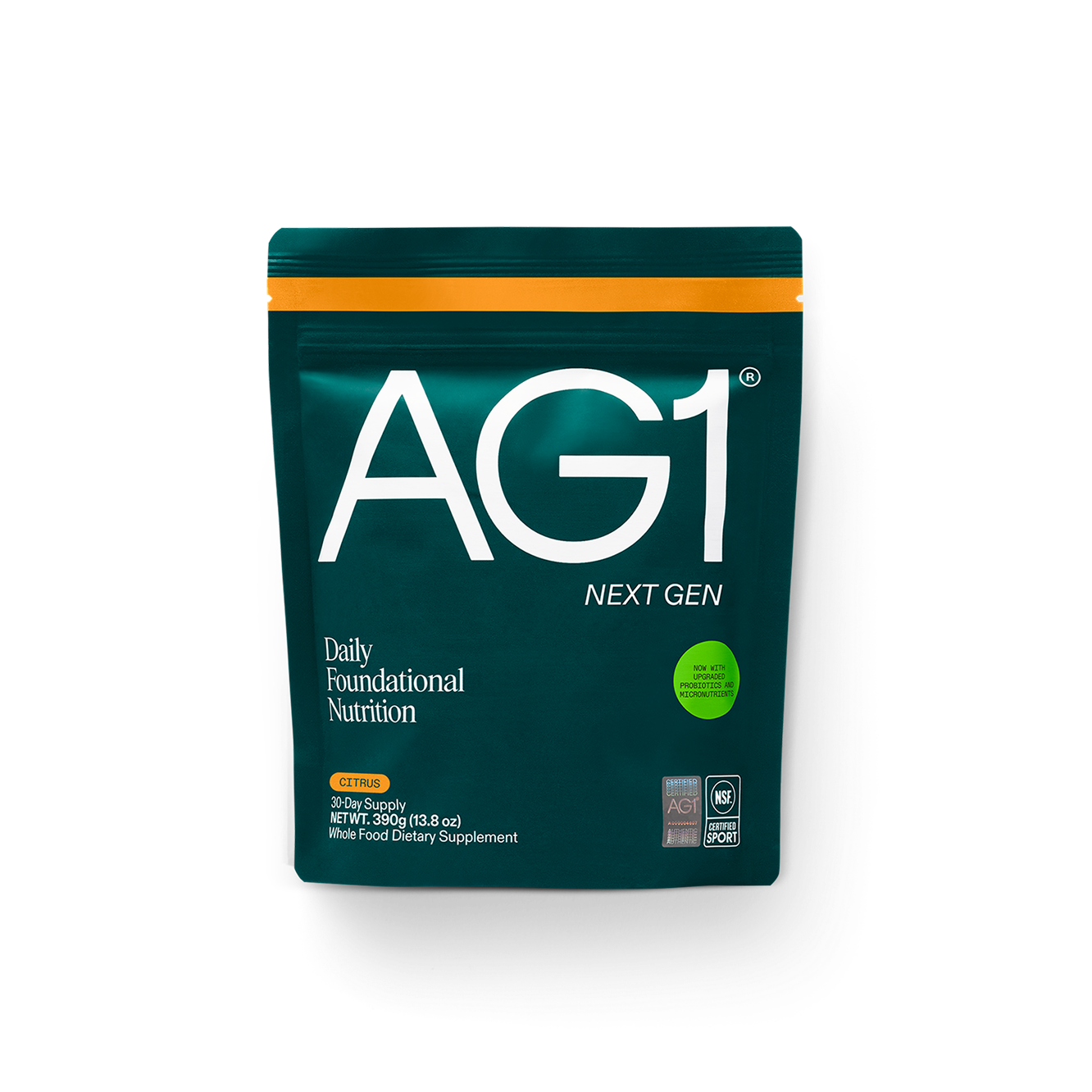
Athletic Greens AG1
One scoop in the morning covers your nutritional bases — even on the days you eat terribly.
AG1 is the supplement that actually stuck for me. It's a daily greens powder that covers vitamins, minerals, probiotics, adaptogens, and digestive enzymes in a single drink. Mix it with cold water, drink it before breakfast, and you've done something genuinely good for your body before 8am.
Is it cheap? No. Is it a magic bullet? Also no. But if you're someone who skips breakfast, eats inconsistently, or just wants a reliable nutritional foundation without managing a cabinet full of individual supplements, AG1 is the most efficient solution I've found.
Best for: People who want a simple, consistent daily health habit that doesn't require thinking.
Whoop 4.0 Band
The fitness tracker that tells you when to push and when to rest — and actually means it.
Most fitness trackers count steps and call it a day. Whoop is different. It tracks your Heart Rate Variability (HRV), resting heart rate, sleep quality, and respiratory rate to calculate a daily "Recovery Score" — a number that tells you how ready your body is to handle stress. Green means go. Red means take it easy.
The insight that changed how I train: I was working out hard on days my body was still recovering from the previous session. Whoop made that visible. Now I push on high-recovery days and do lighter movement on low ones. The results — less fatigue, fewer injuries, better performance — were noticeable within a month.
The subscription model ($30/month) is a real cost, but the data is genuinely actionable in a way that most wearables aren't.
Best for: Anyone who trains regularly and wants to stop guessing whether they're overtraining or underrecovering.
Hatch Restore 2 Sunrise Alarm Clock
The alarm clock that makes waking up feel less like a punishment.
The Hatch Restore 2 is a sunrise alarm clock, sound machine, and bedside reading light in one. It gradually brightens over 30 minutes before your alarm time, simulating a natural sunrise that eases your body out of sleep instead of jolting it awake with a blaring phone alarm.
The difference in how you feel waking up is real. Cortisol rises naturally with the light, so by the time the gentle audio alarm sounds, you're already partially awake and not in a panic. Pair it with the sleep sounds (rain, white noise, ocean) and it becomes a proper wind-down ritual too.
The Hatch app lets you customize everything — brightness, color temperature, alarm sounds, and sleep routines. It's the kind of product that seems like a luxury until you use it for a week and can't imagine going back.
Best for: Anyone who hates waking up, struggles with sleep inertia, or wants to build a better morning routine.
NutriBullet Pro 900
The blender that makes eating more vegetables genuinely easy.
The NutriBullet Pro 900 is the gateway drug to actually eating well. It's compact, powerful enough to handle frozen fruit and leafy greens without complaint, and — crucially — the cup is the blending vessel, so cleanup is one rinse and you're done.
That last point matters more than it sounds. The reason most people don't make smoothies consistently isn't motivation — it's that cleaning a full blender is annoying. The NutriBullet removes that friction entirely. Blend, drink from the cup, rinse, done. Under two minutes total.
At around $80, it's the most cost-effective way to add more fruits, vegetables, and protein to your diet without changing anything else about how you eat.
Best for: People who want to eat healthier but don't want to spend 20 minutes cleaning a blender.
Manduka PRO Yoga Mat 6mm
The last yoga mat you'll ever buy — and the one that makes floor workouts actually comfortable.
The Manduka PRO is the mat that yoga teachers use. It's dense, grippy, and built to last decades — Manduka offers a lifetime guarantee. The 6mm thickness provides real cushioning for joints without the spongy instability of cheaper mats.
But here's the thing: you don't have to do yoga to benefit from a great mat. It's the foundation for any floor-based workout — stretching, Pilates, bodyweight training, foam rolling. A quality mat makes all of those things more comfortable and more likely to happen.
The closed-cell surface means sweat doesn't soak in, so it stays hygienic and doesn't develop that gym-bag smell. It's heavy (7.5 lbs), which means it stays put and doesn't travel well, but for home use it's unmatched.
Best for: Anyone who does any kind of floor-based movement at home and wants a mat that won't need replacing in a year.
Therabody Wave Roller
A foam roller with vibration — the upgrade that actually makes you use it.
Most foam rollers sit in the corner collecting dust because rolling out tight muscles is uncomfortable enough that people avoid it. The Therabody Wave Roller adds vibration, which does two things: it makes the pressure more tolerable (the vibration distracts from the discomfort) and it increases blood flow and muscle relaxation more effectively than static pressure alone.
Five vibration frequencies let you dial in the intensity. The battery lasts about 3 hours per charge. It's the same size as a standard foam roller, so it works for calves, quads, IT band, upper back — the full routine.
If you've tried foam rolling and given up because it hurt too much, the Wave Roller is worth trying. The vibration genuinely changes the experience.
Best for: People who know they should foam roll but never actually do it because it's too uncomfortable.
Calm App Premium
Ten minutes of guided meditation a day — the wellness habit with the best ROI.
Calm is the meditation app that actually converts skeptics. The Daily Calm (a new 10-minute guided session every day) is the entry point — it's approachable, not woo-woo, and genuinely useful for managing stress and improving focus. Sleep Stories (narrated bedtime stories for adults) are surprisingly effective for people who struggle to wind down.
The research on meditation is solid: consistent practice reduces cortisol, improves sleep quality, and builds emotional resilience. The barrier is starting and staying consistent. Calm's structure — short sessions, daily content, progress tracking — removes most of that friction.
At $69.99/year (about $5.83/month), it's one of the cheapest wellness investments on this list with some of the highest potential return.
Best for: Stressed, busy people who want to build a meditation habit but have always found it too abstract or time-consuming to start.
You don't need to do all of this at once. Pick one thing — the one that addresses your biggest friction point right now — and start there. A better morning alarm, a daily greens drink, ten minutes of meditation. Small, consistent changes compound. That's the whole game.